The reason this process exists is simple: steel and iron, when exposed to moisture, oxygen, and environmental contaminants, will corrode (rust), losing strength, durability, and appearance. By providing a zinc-based coating, galvanizing offers both a physical barrier and sacrificial protection — zinc corrodes preferentially, protecting the steel underneath.
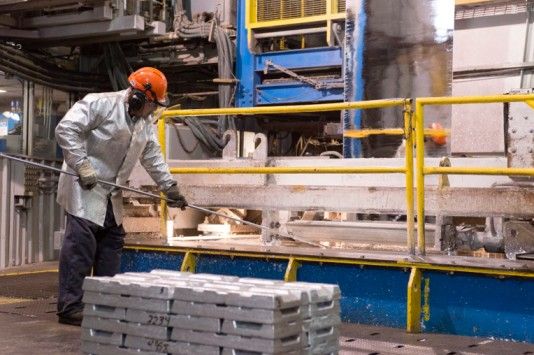
Understanding this process helps engineers, fabricators, and maintenance teams specify appropriate protection for steel structures, pipelines, reinforcements, fasteners, and other components.
Importance – Why it matters today, who it affects, and what problems it solves
In today’s industrial, infrastructure, and construction settings, steel is used everywhere — in buildings, bridges, towers, transmission poles, and railings. The ability to protect that steel from corrosion directly affects longevity, safety, maintenance costs, and environmental performance.
Galvanizing solves several major problems:
-
It extends the life of steel components by reducing rust and deterioration.
-
It improves reliability and reduces the need for frequent maintenance or replacement.
-
It supports sustainability by reducing material waste and production emissions.
-
It enables steel to perform effectively in harsh environments, including marine or industrial areas.
This process benefits a wide range of stakeholders:
-
Designers and architects specifying durable steel protection.
-
Fabricators and galvanizing plants applying protective coatings.
-
Infrastructure owners relying on long-lasting steel assets.
-
Maintenance teams monitoring corrosion and ensuring safety.
A comparison of galvanized coating life under different conditions helps illustrate its benefits:
| Environment Type | Corrosion Category | Typical Zinc Coating Life |
|---|---|---|
| Mild, rural inland | C1–C2 | 30–50 years or more |
| Urban/industrial | C3 | 20–40 years |
| Coastal, heavy marine | C4–C5 | 10–30 years |
Recent Updates – Changes, trends, or news over the past year
Several developments have occurred in the galvanizing industry in recent years:
-
Updated international standards: The ISO 1461 standard (“Hot dip galvanized coatings on fabricated iron and steel articles”) was revised in 2022, introducing new inspection and testing requirements to improve quality control.
-
Focus on sustainability: Environmental regulations are driving galvanizing plants to adopt better resource management, energy efficiency, and wastewater treatment practices.
-
Design for galvanizing: The importance of proper venting, draining, and material selection has gained greater attention to ensure high-quality coatings.
-
Digital inspection trends: Data-driven monitoring of coating thickness, corrosion rates, and lifecycle modeling are increasingly used for predictive maintenance in infrastructure projects.
These updates reflect the industry’s growing emphasis on durability, sustainability, and compliance with international standards.
Laws or Policies – How rules, regulations, or programs affect galvanizing in India
In India, galvanizing activities are governed by several national standards and environmental guidelines.
-
IS 4759:1996 — Specifies requirements for hot-dip zinc coatings on structural steel and other allied products. It defines coating thickness, bath composition, and inspection methods.
-
Environmental regulations: Galvanizing plants must adhere to pollution control laws related to waste treatment, effluent management, and air quality. Compliance ensures safe handling of pickling acids, fluxes, and zinc residues.
-
Infrastructure standards: Government projects involving steel bridges, towers, or pipelines often require galvanizing in accordance with national or international standards like ISO 1461 to ensure durability.
-
Sustainability initiatives: Efforts to promote long-life construction materials indirectly support galvanizing as part of India’s broader environmental and infrastructure goals.
Tools and Resources – Helpful tools, apps, and references
Professionals and engineers can use the following tools and resources for effective galvanizing work:
-
Technical guides: Comprehensive manuals and online resources explaining galvanizing processes, coating inspection, and design considerations.
-
Standards documents: Reference materials such as ISO 1461:2022, IS 4759:1996, and EN 14713 for specifying zinc coatings on steel structures.
-
Inspection and calculation tools: Coating-thickness calculators and corrosion-rate estimators to predict coating life and maintenance intervals.
-
Design templates: Drawings and checklists for fabricators showing correct vent and drain holes, weld cleaning, and lifting arrangements.
-
Training resources: Educational materials and certification programs that cover galvanizing safety, process control, and environmental compliance.
-
Case studies: Real-world examples of bridges, buildings, and utilities where galvanizing has significantly extended structural lifespan.
Using these tools ensures high-quality coatings, longer service life, and compliance with technical standards.
FAQs – Frequently asked questions
What is the difference between hot-dip galvanizing and electro-galvanizing?
Hot-dip galvanizing immerses steel in molten zinc to create a bonded protective layer, while electro-galvanizing uses electrical current to deposit a thin zinc layer. Hot-dip coatings are thicker and provide longer corrosion protection.
How long does a galvanized coating last?
The lifespan depends on environmental exposure, coating thickness, and maintenance. In mild environments, it can last 30–50 years or more, while in coastal or industrial areas, it may last 10–30 years.
What standards apply to galvanizing?
Key standards include ISO 1461:2022 for hot-dip galvanizing, EN 14713 for zinc coatings, and IS 4759:1996 for structural steel galvanizing in India.
Why is surface preparation important before galvanizing?
Proper cleaning ensures that the zinc coating bonds effectively to the steel. Any residue like grease, oil, rust, or paint can cause poor adhesion and weak protection.
Can galvanized steel be welded or painted?
Yes, but it requires care. Welding galvanized steel releases zinc fumes, so ventilation is needed. Painting over galvanized steel (duplex coating) enhances protection but requires proper surface preparation.
Conclusion
Industrial galvanizing remains one of the most reliable and sustainable methods for protecting steel from corrosion. By understanding its processes, materials, and governing standards, industries can extend the life of vital structures and reduce maintenance needs.
Recent advancements in standards, sustainability practices, and inspection technologies continue to shape the future of galvanizing. Whether for infrastructure, construction, or manufacturing, proper specification and implementation ensure that galvanized steel remains durable, safe, and efficient for decades to come.