Synthetic Leather Manufacturing Explained: An Informative Guide to Basics, Processes, and Key Facts
Synthetic leather is a manufactured material designed to replicate the look, feel, and performance characteristics of natural leather without using animal hides. It is commonly made from polymer-based materials such as polyurethane (PU) and polyvinyl chloride (PVC), combined with fabric backings for strength and flexibility.
The concept of synthetic leather emerged in the mid-20th century as industries searched for alternatives to natural leather that could be produced at scale, offer consistent quality, and meet growing demand from sectors like footwear, automotive interiors, furniture, fashion accessories, and electronics. Natural leather supply is limited by livestock availability and involves complex processing, while synthetic leather can be engineered to meet specific performance requirements.
From a manufacturing perspective, synthetic leather allows controlled thickness, texture, color, and surface finish. This consistency makes it suitable for mass production environments where uniformity is critical. Over time, advances in polymer science have made synthetic leather more durable, lighter, and closer in appearance to genuine leather.
Why Synthetic Leather Manufacturing Matters Today
Synthetic leather manufacturing plays a significant role in modern industrial supply chains. It affects manufacturers, designers, environmental regulators, and end-users across multiple sectors.
Key reasons this topic is important today include:
-
Industrial scalability: Synthetic leather supports large-volume production without dependence on agricultural cycles.
-
Material innovation: Manufacturers can design materials with targeted properties such as abrasion resistance, water resistance, or breathability.
-
Resource efficiency: Compared to traditional leather tanning, synthetic leather production can reduce water usage and processing time.
-
Market demand: Growing urban populations and expanding automotive and consumer goods sectors have increased demand for uniform, durable surface materials.
Industries influenced by synthetic leather manufacturing include:
-
Automotive seating and dashboards
-
Footwear uppers and linings
-
Furniture upholstery
-
Consumer electronics covers
-
Industrial and protective applications
The topic also matters because it intersects with sustainability discussions, workplace safety standards, and chemical management practices. Understanding how synthetic leather is produced helps stakeholders evaluate its performance, environmental footprint, and regulatory compliance.
Recent Updates and Industry Trends
Over the past year, several notable trends and updates have shaped synthetic leather manufacturing.
Shift toward water-based polyurethane systems (2024–2025)
Manufacturers have increasingly adopted water-based PU coatings to reduce reliance on solvent-based systems. This change aims to lower volatile organic compound (VOC) emissions and improve worker safety.
Growth in bio-based and recycled inputs (2024)
Research and pilot-scale production of synthetic leather using partially bio-based polymers or recycled plastic feedstocks expanded during 2024. These materials are designed to reduce dependence on fossil-based raw materials while maintaining performance standards.
Stricter chemical compliance requirements (2024)
Global brands have updated restricted substance lists, pushing suppliers to improve traceability and testing for plasticizers, heavy metals, and residual solvents used in synthetic leather layers.
Automation and digital quality control (2025)
Manufacturing lines increasingly use automated coating thickness controls, inline inspection cameras, and data analytics to improve consistency and reduce material waste.
These developments reflect broader industrial trends toward cleaner production, regulatory alignment, and digital manufacturing practices.
Laws, Regulations, and Policy Considerations
Synthetic leather manufacturing is influenced by environmental, chemical, and industrial safety regulations that vary by country and region.
In India, manufacturing facilities are subject to oversight from the Central Pollution Control Board, which issues guidelines on emissions, effluent treatment, and waste management. State-level pollution control boards enforce compliance at individual plants.
Key regulatory areas affecting synthetic leather production include:
-
Chemical management rules: Restrictions on certain plasticizers, stabilizers, and solvents used in PU and PVC systems.
-
Air and water discharge standards: Limits on VOC emissions and wastewater contaminants from coating and finishing processes.
-
Occupational safety requirements: Standards for ventilation, protective equipment, and chemical handling.
At the international level, exporters often align with frameworks such as REACH for chemical registration and ISO standards related to quality management and environmental systems.
Government programs supporting cleaner manufacturing and waste reduction also indirectly influence synthetic leather producers by encouraging adoption of low-emission technologies and improved recycling practices.
Tools, Technologies, and Practical Resources
A range of tools and resources support synthetic leather manufacturing, quality control, and compliance.
Manufacturing and process tools
-
Polymer coating and casting lines for PU and PVC layers
-
Calendering and embossing machines for surface texture
-
Heat curing and drying systems
Testing and quality resources
-
Abrasion resistance and flex testing equipment
-
Thickness and density measurement tools
-
Chemical analysis instruments for compliance testing
Digital and informational resources
-
Environmental compliance tracking software
-
Material safety data sheet (MSDS) management platforms
-
Industry standards documentation from recognized bodies
Reference calculators and templates
-
VOC emission estimation worksheets
-
Production yield and material utilization templates
-
Waste segregation and reporting formats
These tools help manufacturers maintain consistent quality, meet regulatory expectations, and document production practices.
How Synthetic Leather Is Manufactured
Synthetic leather production generally follows a structured, multi-step process. While details vary by formulation, the core stages are similar across facilities.
| Manufacturing Stage | Description |
|---|---|
| Base fabric preparation | Textile backing is selected and treated for adhesion |
| Polymer formulation | PU or PVC compounds are prepared with additives |
| Coating or casting | Polymer layer is applied to the fabric |
| Curing and drying | Heat or air systems solidify the coating |
| Surface finishing | Embossing, coloring, or protective topcoats are added |
| Inspection and cutting | Material is checked and sized for downstream use |
A simplified comparison of common material systems is shown below.
| Property | PU-Based Synthetic Leather | PVC-Based Synthetic Leather |
|---|---|---|
| Flexibility | High | Moderate |
| Weight | Lighter | Heavier |
| Surface feel | Softer | Firmer |
| Typical applications | Footwear, apparel, upholstery | Automotive, industrial uses |
Frequently Asked Questions
Is synthetic leather the same as artificial leather?
Yes. Synthetic leather and artificial leather are commonly used interchangeably to describe non-animal leather-like materials produced through industrial processes.
What raw materials are used in synthetic leather manufacturing?
The main components include polymers such as polyurethane or polyvinyl chloride, fabric backings like polyester, and additives that improve flexibility, color stability, and durability.
How long does synthetic leather last compared to natural leather?
Durability depends on formulation and application. High-quality synthetic leather can perform reliably for many years in controlled conditions, especially in automotive and furniture uses.
Can synthetic leather be recycled?
Recycling is technically possible but depends on material composition and local recycling infrastructure. Multi-layer structures can make separation more complex.
Does synthetic leather require special maintenance?
Generally, it requires less maintenance than natural leather and can be cleaned with mild solutions, depending on surface finish and use conditions.
Conclusion
Synthetic leather manufacturing is a technologically driven process that addresses modern industrial needs for consistency, scalability, and material performance. By combining polymer science, textile engineering, and controlled production systems, manufacturers can produce leather-like materials suited to a wide range of applications.
Recent trends show a clear movement toward cleaner formulations, digital quality control, and tighter regulatory alignment. At the same time, laws and standards continue to shape how facilities manage chemicals, emissions, and workplace safety.

You may also like...
Fabric Spreading Machines Explained: Basics, Uses, Types, and Key Facts to Know
Last Update: February 03, 2026
Read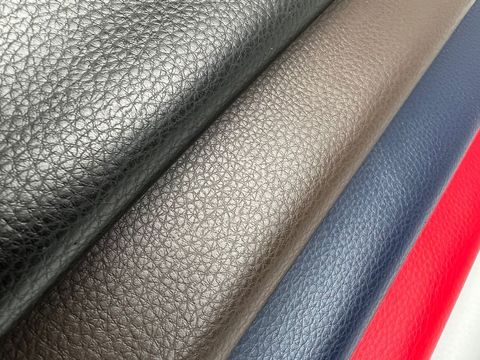
Synthetic Leather Manufacturing Explained: An Informative Guide to Basics, Processes, and Key Facts
Last Update: February 03, 2026
Read
Lock & Key Manufacturing Explained: An Informative Guide to Basics, Processes, and Key Facts
Last Update: February 03, 2026
Read