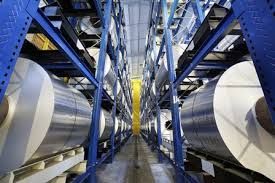
Cotton Ginning Machines Explained: Basics, Working Process, Types, and Key Facts
Cotton ginning machines are industrial agricultural machines designed to separate cotton fibers from seeds after harvesting. Raw cotton, also called seed cotton, contains lint, seeds, leaves, and other natural impurities. Ginning is the mechanical process that cleans and separates these components so the fiber can be used for textile manufacturing and other downstream applications.
The concept of cotton ginning exists because raw cotton cannot be spun or processed efficiently in its harvested form. Before the introduction of mechanized ginning, fiber separation was done manually, which was slow and labor-intensive. Modern cotton ginning machines automate this task, allowing large volumes of cotton to be processed with consistent quality and controlled output.
Today, cotton ginning machines are a core part of agricultural processing infrastructure. They sit between cotton farming and textile production, acting as a critical link in the global cotton value chain.
Why Cotton Ginning Machines Matter Today
Cotton remains one of the most widely used natural fibers in the world. Millions of farmers, processors, and textile manufacturers depend on efficient ginning to maintain fiber quality and production continuity.
Cotton ginning machines matter for several reasons:
-
They improve fiber cleanliness and uniformity
-
They reduce manual labor requirements in post-harvest processing
-
They help maintain standardized fiber grades for textile mills
-
They support large-scale agricultural production systems
These machines directly affect:
-
Cotton farmers, who rely on accurate fiber-seed separation
-
Ginning facilities and cooperatives managing bulk cotton processing
-
Textile and yarn manufacturers that depend on consistent fiber quality
Without effective ginning, cotton fibers may suffer damage, contamination, or uneven quality. This can disrupt manufacturing workflows and affect textile performance. In this way, cotton ginning machines solve a fundamental processing challenge in agricultural manufacturing systems.
How Cotton Ginning Machines Work
The working process of a cotton ginning machine follows a structured mechanical flow. While designs vary, the basic operating stages remain consistent across systems.
Key stages in the ginning process include:
-
Feeding: Seed cotton is fed into the machine through controlled input systems
-
Cleaning: Pre-cleaners remove dust, leaves, and lightweight debris
-
Separation: Fibers are mechanically pulled away from cotton seeds
-
Lint collection: Cleaned cotton lint is gathered for further processing
-
Seed discharge: Separated seeds are collected separately
The separation mechanism depends on the machine type, but all systems aim to minimize fiber breakage while maintaining processing speed.
Simplified process flow table
| Stage | Purpose | Output |
|---|---|---|
| Feeding | Controlled cotton input | Even material flow |
| Cleaning | Remove foreign matter | Cleaner cotton |
| Ginning | Separate fiber and seed | Lint and seeds |
| Collection | Gather processed fiber | Ready-for-use cotton |
Main Types of Cotton Ginning Machines
Cotton ginning machines are classified based on their separation mechanism and intended use. Each type is suited to different cotton varieties and processing conditions.
Saw Gin Machines
Saw gins use rotating saw blades to pull fibers through narrow ribs, separating them from seeds. These machines are commonly used for short- and medium-staple cotton.
Key characteristics include:
-
High processing speed
-
Suitable for large-scale operations
-
Strong mechanical separation
Roller Gin Machines
Roller gins rely on rollers and stationary knives to gently separate fibers from seeds. They are often used for long-staple cotton.
Notable features:
-
Reduced fiber damage
-
Lower mechanical stress
-
More controlled separation
Double Roller Gins
These machines use two rollers rotating in opposite directions. They are known for improved fiber preservation and efficiency.
Comparison table
| Machine Type | Fiber Protection | Processing Speed | Typical Use |
|---|---|---|---|
| Saw Gin | Moderate | High | Short-staple cotton |
| Roller Gin | High | Medium | Long-staple cotton |
| Double Roller | High | Medium-High | Quality-focused ginning |
Recent Updates and Industry Trends (2025)
Over the past year, cotton ginning technology has seen gradual but meaningful updates rather than dramatic shifts.
In March 2025, several agricultural equipment manufacturers reported increased integration of sensor-based monitoring in ginning systems. These sensors help track lint moisture and machine performance in real time.
In July 2025, research publications highlighted improved lint-cleaning modules that reduce fiber breakage during high-speed operation. These developments focus on balancing productivity with fiber integrity.
By October 2025, energy efficiency became a central theme in equipment upgrades. Updated motor designs and optimized airflow systems were introduced to reduce power consumption in industrial machinery used for cotton processing.
Overall, recent changes emphasize:
-
Data monitoring and process visibility
-
Improved fiber quality control
-
Energy-efficient machine operation
Laws, Standards, and Policy Environment
Cotton ginning machines are influenced by agricultural, industrial, and environmental regulations. These rules vary by country but share common objectives related to quality, safety, and sustainability.
In India, cotton processing activities are guided by agricultural quality standards overseen by organizations such as Cotton Corporation of India. Machinery used in ginning must align with factory safety regulations and environmental compliance norms.
In the United States, cotton ginning operations follow guidelines from entities such as United States Department of Agriculture, which sets fiber classification and quality standards.
Common regulatory areas include:
-
Workplace safety and machine guarding
-
Dust and waste management standards
-
Fiber quality classification rules
-
Agricultural processing compliance
These policies ensure that cotton ginning machines operate within defined technical and environmental boundaries.
Helpful Tools and Resources for Cotton Ginning Knowledge
Several tools and informational resources support understanding and managing cotton ginning processes.
Educational and technical resources
-
Agricultural machinery manuals and technical handbooks
-
Fiber classification reference guides
-
Moisture and lint quality calculators
Digital and analytical tools
-
Production monitoring dashboards
-
Energy efficiency assessment tools
-
Maintenance scheduling templates
Institutional resources
-
Agricultural extension portals
-
Research publications from textile institutes
-
Government-supported farming information platforms
These resources help stakeholders understand machine performance, fiber quality parameters, and operational benchmarks without focusing on commercial transactions.
Frequently Asked Questions About Cotton Ginning Machines
What is the main purpose of a cotton ginning machine?
The primary purpose is to separate cotton fibers from seeds and remove impurities so the fiber can be used in textile manufacturing.
Does ginning affect cotton quality?
Yes. Proper ginning preserves fiber length and strength, while improper settings may damage fibers or increase contamination.
Are all cotton varieties processed the same way?
No. Different cotton types require different ginning methods. Long-staple cotton often uses roller gins, while short-staple cotton commonly uses saw gins.
What happens to cotton seeds after ginning?
Separated seeds are typically directed to other agricultural or industrial uses, such as oil extraction or planting stock.
Is cotton ginning a single-step process?
No. It involves multiple stages, including cleaning, separation, and collection, each contributing to final fiber quality.
Conclusion
Cotton ginning machines play a vital role in transforming harvested cotton into usable fiber. By separating seeds and impurities from lint, these machines enable consistent fiber quality and support large-scale textile manufacturing.
Understanding the basics, working process, machine types, regulatory environment, and recent updates helps clarify why cotton ginning remains an essential agricultural processing activity. As technology continues to evolve, cotton ginning machines are gradually becoming more efficient, precise, and aligned with modern agricultural and industrial standards.

You may also like...

Insulation Material Manufacturing Explained: Basics, Processes, Types, and Key Facts
Last Update: February 03, 2026
Read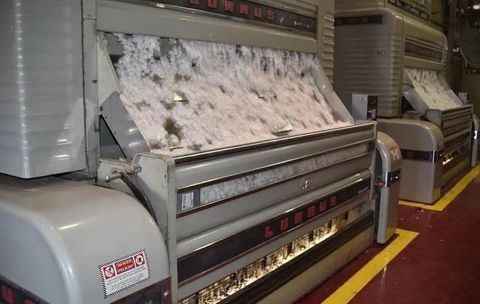
Cotton Ginning Machines Explained: Basics, Working Process, Types, and Key Facts
Last Update: February 03, 2026
Read
Fabric Spreading Machines Explained: Basics, Uses, Types, and Key Facts to Know
Last Update: February 03, 2026
Read